Rasuwa Flood a ‘Wake-Up Call’: Glaciologist Warns of Escalating Himalayan Hazards
The devastating Rasuwa flash flood of August 26, 2026, must serve as an urgent wake-up call regarding the escalating dangers of climate change in the Himalayas, warned glaciologist Dr. Mohan B. Chand during a program in Kathmandu.
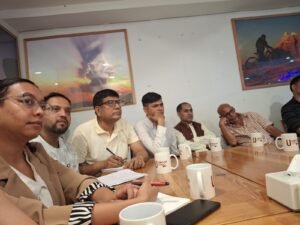
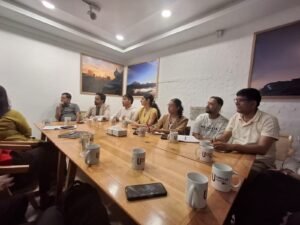
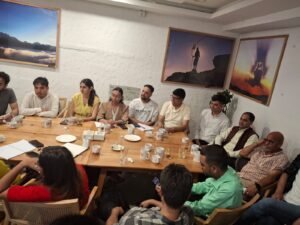
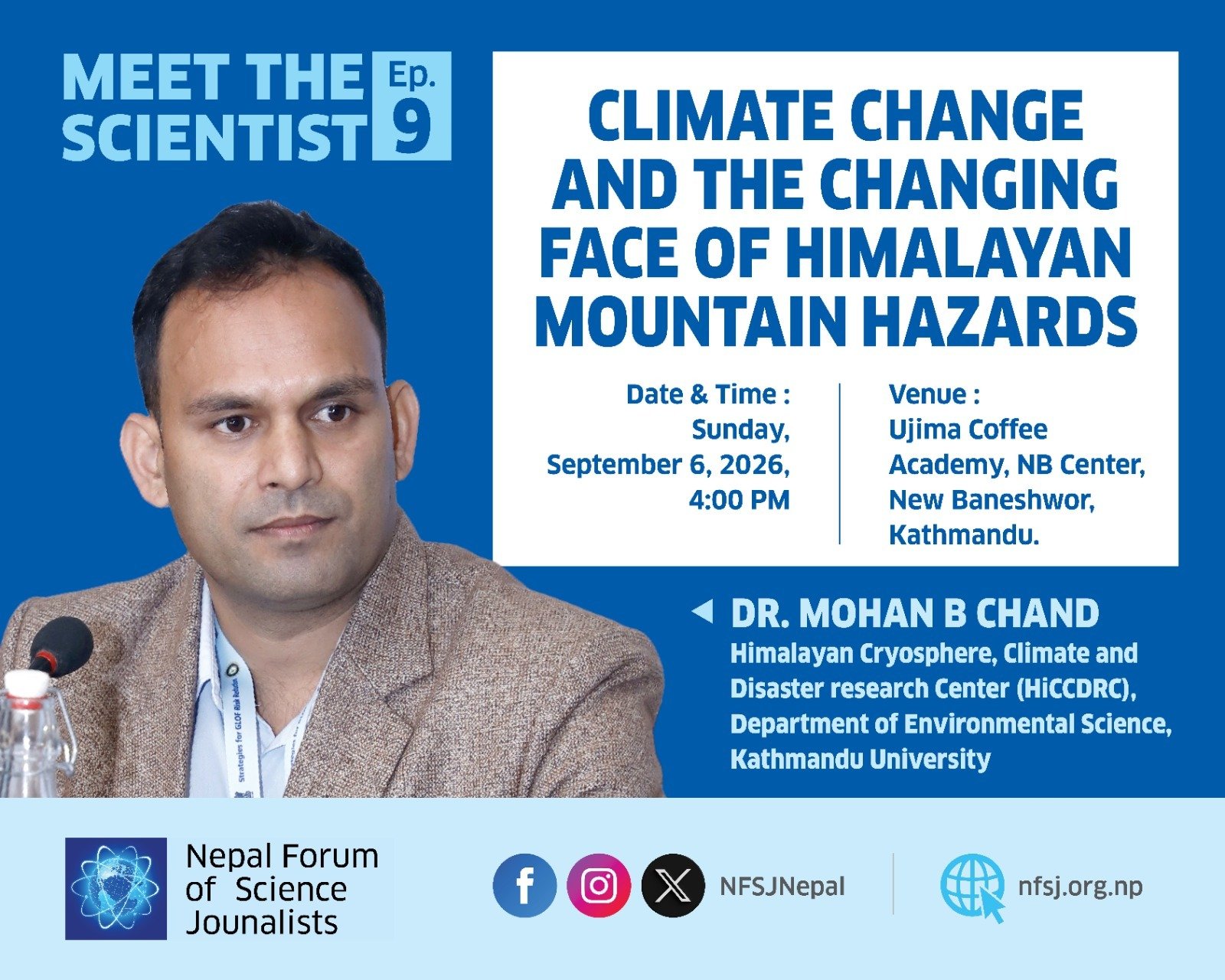
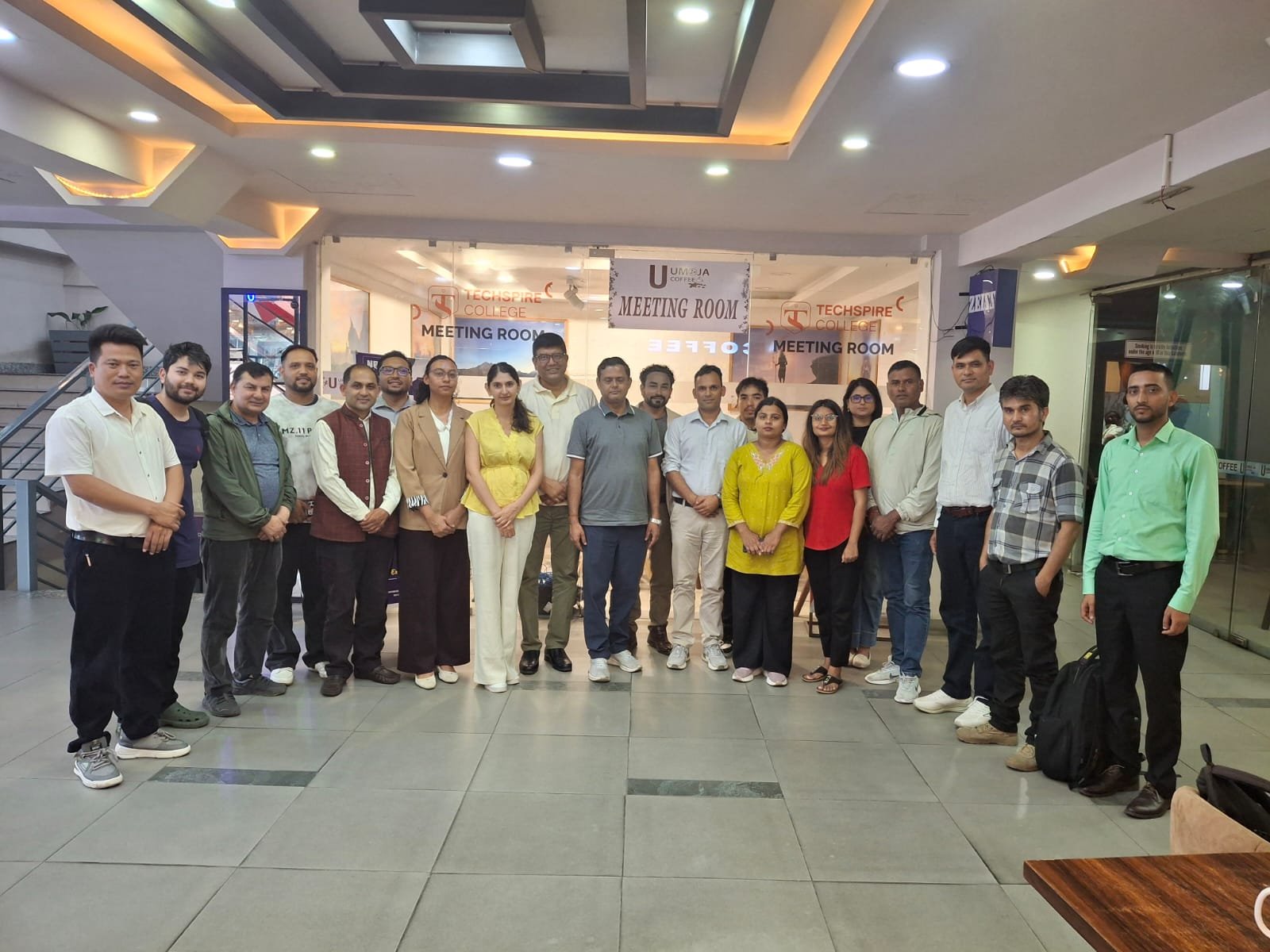
Speaking at the ninth episode of the “Meet the Scientist” series, organized by the Nepal Forum of Science Journalists (NFSJ) at Ujima Coffee Academy in New Baneshwor, Dr. Chand delivered a assessment of the region’s changing cryosphere. The event, titled “Climate Change and the Changing Face of Himalayan Mountain Hazards,” drew attention to the intersection of rigorous scientific research and the immediate, life-threatening realities faced by mountain communities.
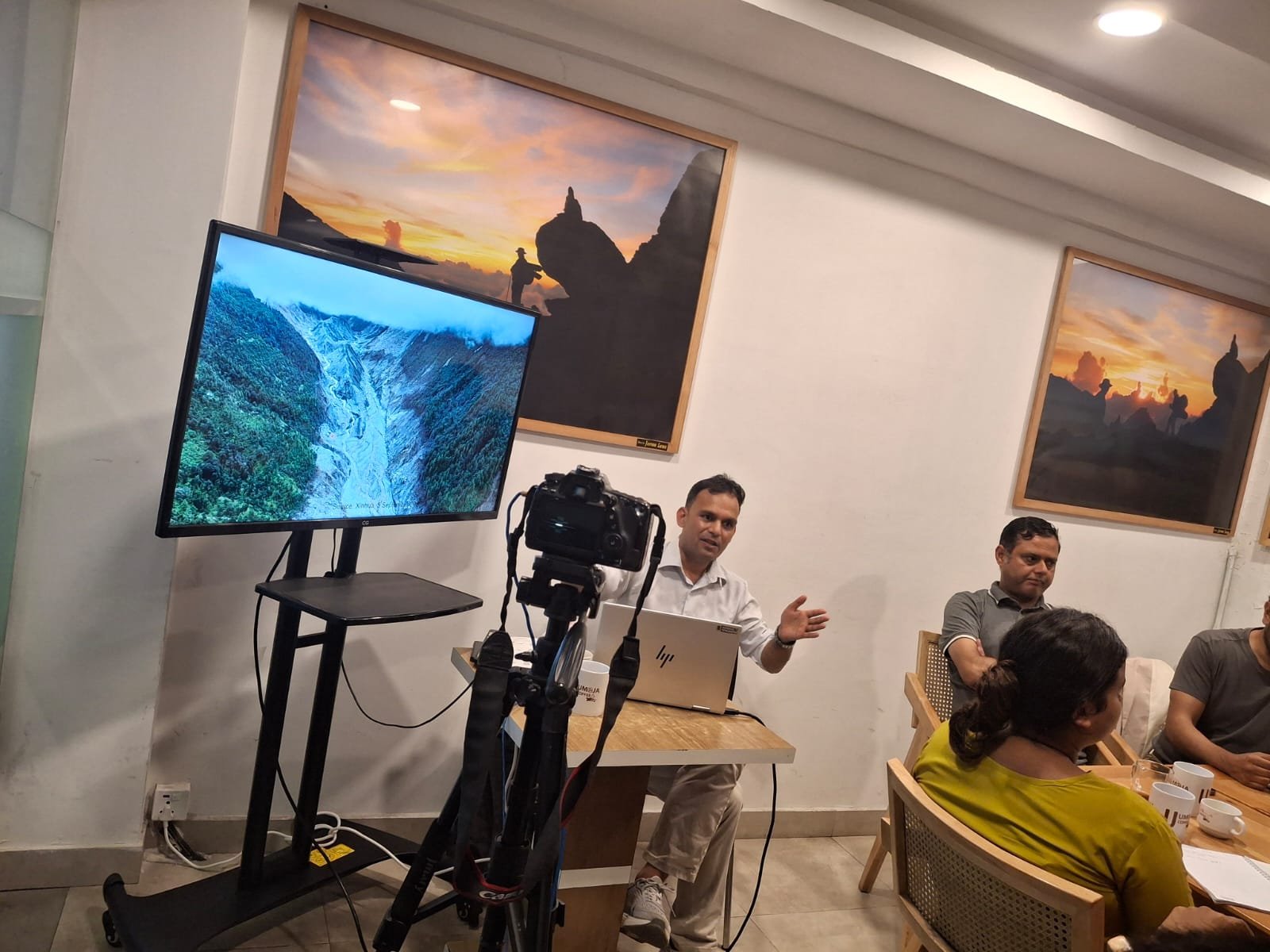
Dr. Chand, who leads the Himalayan Cryosphere, Climate and Disaster research Center (HiCCDRC) at Kathmandu University’s Department of Environmental Science, anchored his presentation on recent research articles and field data. He emphasized that the recent tragedy in Rasuwa is not an isolated anomaly, but rather a symptom of a rapidly destabilizing high-altitude environment. While detailed hydrological investigations into the specific mechanics of the Rasuwa event continue, Dr. Chand noted that extreme precipitation combined with the changing landscape creates a perfect storm for such disasters.
At the heart of this crisis is the accelerated melting of Himalayan glaciers. Dr. Chand explained that the Himalayas are warming at a rate exceeding the global average, leading to the rapid retreat of ice masses. This retreat is giving birth to unstable moraine dams and expanding meltwater lakes, significantly heightening the risk of Glacial Lake Outburst Floods (GLOFs).
“Based on our research, the number and volume of glacial lakes in Nepal are increasing,” Dr. Chand stated. “When these lakes breach their weak walls, the resulting GLOF is catastrophic, sending massive volumes of water and debris down steep valleys. Communities living downstream, even those far from the glaciers themselves, are on the front lines.”
The glaciologist further warned that climate change is altering the very nature of Himalayan hazards, making them more complex and difficult to predict. He highlighted the thawing of high-altitude permafrost, which is destabilizing mountain slopes and leading to massive rock-ice avalanches. Furthermore, erratic monsoon patterns are bringing intense, short-duration rainfall that triggers landslides and flash floods like the one seen in Rasuwa. These “cascading hazards”—where one event, such as a rockfall, triggers a landslide that subsequently blocks a river—are becoming increasingly common.
To combat these escalating threats, Dr. Chand outlined a multi-pronged path forward. He stressed the critical need for increased funding for continuous monitoring of glaciers and glacial lakes, alongside the deployment of advanced early warning systems and accurate vulnerability mapping.
However, he also emphasized that scientific data alone is insufficient. “Scientific data sitting in a journal does not save lives,” he noted, praising the NFSJ for its role in bridging the gap between researchers and the public. He called for improved science communication to translate complex data into actionable information for policymakers and local governments.
Finally, Dr. Chand advocated for building local community resilience by integrating traditional knowledge with modern science. He stressed that early warning systems are only effective if local populations understand them and are actively engaged in disaster preparedness and hazard mapping.
“The changing face of Himalayan hazards is a direct consequence of a warming planet,” Dr. Chand concluded. “The 2026 Rasuwa flash flood and the looming threat of GLOFs are not just scientific phenomena; they are humanitarian crises waiting to happen. We must act with urgency, using rigorous science, strong policy, and community-led adaptation. The mountains are changing, and our response must evolve just as quickly.”